SERENGETI NATIONAL PARK
One of the world’s ‘must-see’ places, the Serengeti plays host to the wildebeest migration.
-
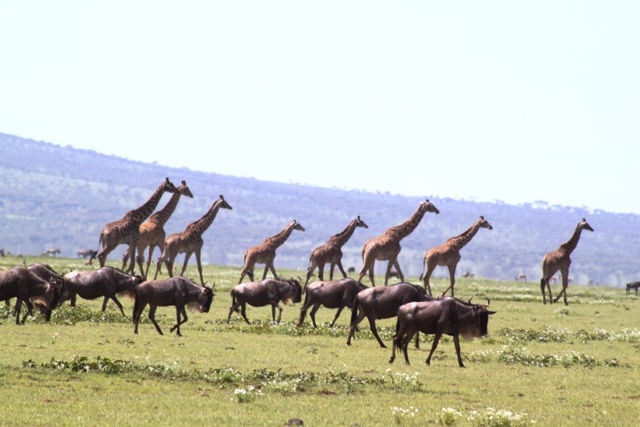
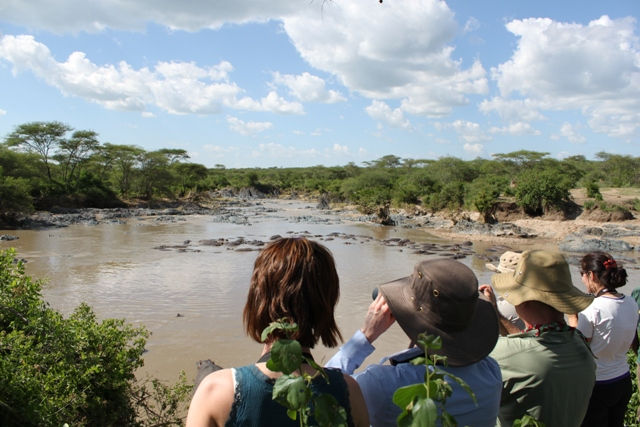
Witness one of the most impressive natural events in the world when vast herds of herbivores (wildebeest, gazelles and zebras) make their way to permanent water holes followed by their predators.
-
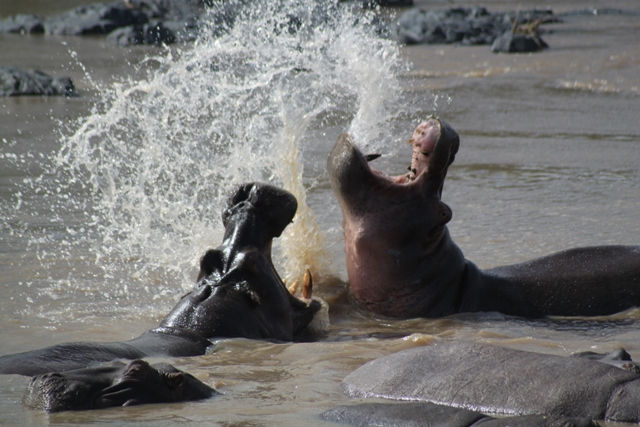
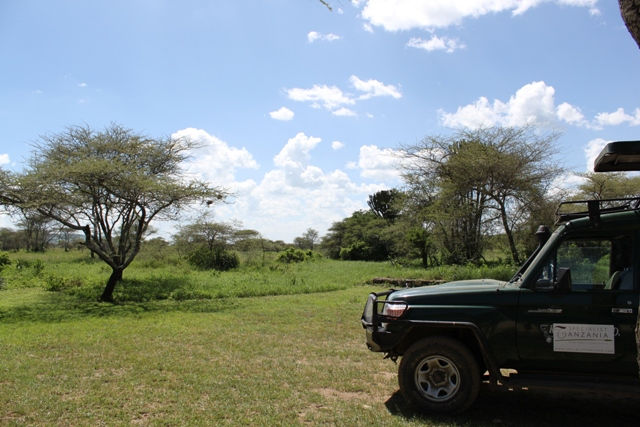
Enjoy some of the best game viewing on earth from the luxury of a private safari vehicle with expert wildlife guide.
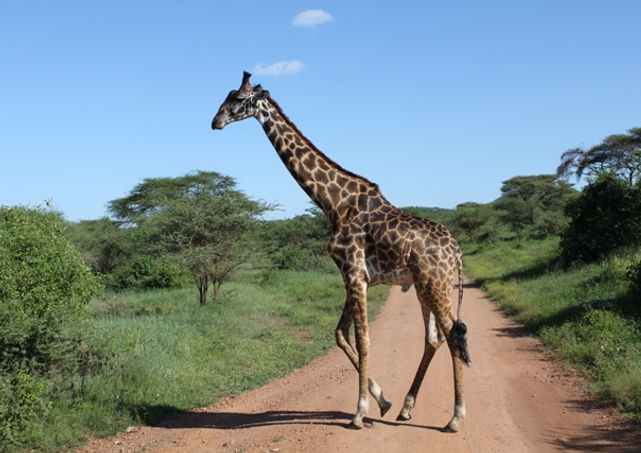
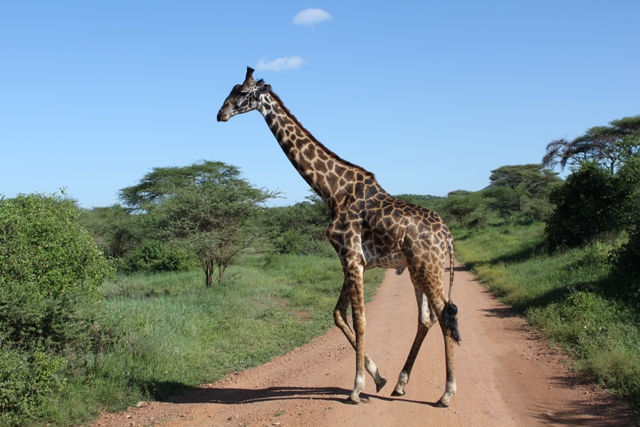
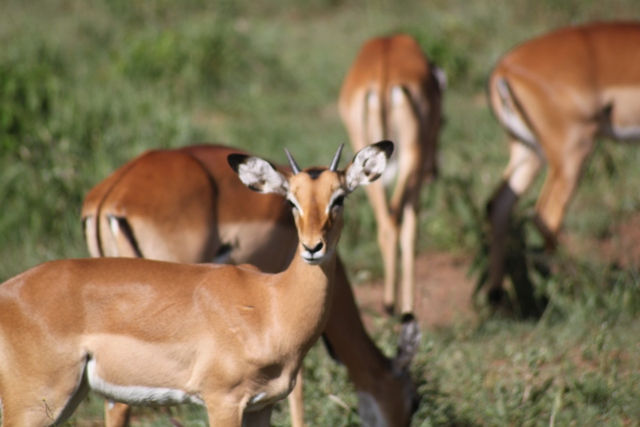
Accepted as a World Heritage Site in 1981, Tanzania’s Serengeti National Park is undoubtedly the best-known wildlife sanctuary in the world, unequalled for its natural beauty, proliferation of animals and scientific value. With more than two million wildebeest, half a million Thomson’s gazelle, and a quarter of a million zebra, it has the greatest concentration of plains game in Africa.
The name ‘Serengeti’ comes from Maasai language and appropriately means an ‘extended place’. The Serengeti National Park, with an area of 12,950 square kilometres, is as big as Northern Ireland, but its ecosystem, which includes the Ngorongoro Conservation Area, the Maswa Game Reserve and the Maasai Mara Game reserve (located in Kenya), is roughly the size of Kuwait.
It lies between the shores of Lake Victoria in the west, Lake Eyasi in the south, and the Great Rift Valley to the east. As such, Serengeti National Park offers the most complex and least disturbed ecosystem on planet earth. The Serengeti National Park has varied zones in which each ecosystem is subtly different. Maswa Game Reserve to the south offers a remote part of the park rewarding in its game-viewing and privacy, and Lobo near the Kenyan border offers a chance to see plentiful game during the dry season.
The Grumeti River in the Western Corridor is the location for the dramatic river crossing during the wildebeest migration. Seronera in the centre of the park is the most popular and easily visited area.
Balloon Safaris in Serengeti National Park
Aside from traditional vehicle safaris, hot-air ballooning over the Serengeti plains has become a safari rite-of-passage for travel enthusiasts. The flights depart at dawn over the plains and take passengers close over the awakening herds of wildebeest and zebra, gazelle and giraffe. The extra altitude allows guests to witness the striking stretches of plains punctuated only by kopjes.